

What Exactly Comes in a Bottle of Ready-to-Drink Cocktail?

Premium Pre-Made Cocktails Ready to Pour and Impress
A pre-made cocktail is a bottled or canned beverage where spirits, modifiers, and garnishes are blended and sealed in advance, delivering a finished drink with zero mixing required. This format preserves the intended balance of flavors while offering consistent quality and immediate convenience, making it ideal for on-the-go enjoyment or effortless entertaining. Simply chill the container, pour it over ice, and optionally add a fresh twist or citrus peel to elevate the presentation. The core value of pre-made cocktails lies in their turnkey simplicity, letting you savor a professionally crafted drink in seconds without bartending skills or a stocked home bar.
What Exactly Comes in a Bottle of Ready-to-Drink Cocktail?
A bottle of ready-to-drink cocktail contains a precisely balanced blend of the spirits, modifiers, and bitters that define the recipe, pre-mixed and diluted to the ideal serving strength. You’re getting the full cocktail experience—think a Negroni’s gin, vermouth, and Campari, or a Margarita’s tequila, orange liqueur, and lime—already proportioned, often with natural fruit juices or botanical infusions for freshness. What exactly comes in a bottle of ready-to-drink cocktail is the exact same liquid composition you’d build yourself, minus the ice and manual stirring. These pre-made cocktails skip the syrups and artificial shortcuts found in lower-tier mixers, delivering a shelf-stable, consistent pour that only needs a chill and a glass.
Decoding the Alcohol Percentage and Servings Per Bottle
The alcohol percentage on a ready-to-drink cocktail label, often listed as ABV, directly determines its strength and how it compares to a standard pour of spirits. To decode servings, divide the bottle’s total volume (in milliliters) by the standard serving size, which is typically 1.5 ounces (44 ml) of base spirit equivalent. For example, a 375 ml bottle at 12% ABV contains roughly 8.4 standard servings, whereas a 20% ABV version in the same size holds closer to 13.6 servings. Decoding the alcohol percentage and servings per bottle helps you manage pacing, as a single can may equal two or more standard drinks. Always check the ABV per 100 ml, not just the total bottle, to gauge true potency.
Q: How many standard drinks are in a 250 ml can of ready-to-drink cocktail at 10% ABV?
A: Since one standard drink equals 0.6 ounces of pure alcohol, 250 ml at 10% contains about 2.1 standard drinks—roughly double what a casual drinker might assume from a single can.
Why the “Shaken vs. Stirred” Label on Premixed Drinks Matters

The “shaken vs. stirred” label on a premixed cocktail isn’t just bartender flexing—it tells you how the drink will hit your palate. Shaken bottles (think Martinis or Margaritas) incorporate air, creating a lighter, slightly frothy texture that mutes bitterness and brightens citrus. Stirred ones (like a Negroni or Manhattan) stay silky and full-bodied, preserving the spirit’s weight and spice. With ready-to-drink cocktail texture, that difference matters because dilution and chill change flavor release. A shaken-style bottle already has that “beaten” mouthfeel, so don’t re-shake it hard—you’ll over-dilute. Stirred versions should be poured over a big cube to mimic the original. Check the label, then serve accordingly:
- Shaken → pour straight, add a twist or citrus oil.
- Stirred → pour over fresh ice, stir gently for 10 seconds.
- Both → never blend or shake a stirred-bottled drink.
How to Serve a Chilled Cocktail Straight From the Shelf
For a pre-made cocktail that’s already chilled, the shelf is your serving station—just grab, pour, and go. Before you do, give the bottle or can a quick, gentle inversion (not a violent shake) to re-homogenize any settled herbs or bitters, then pop the cap and pour over a single large ice cube in a chilled rocks glass; the big cube melts slowly, preserving your cocktail’s intended dilution. The key is to treat the shelf as your mise en place: keep the bottle behind you, pour directly from it, and garnish immediately—a expressed citrus twist or a single luxardo cherry—before the glass warms. Avoid using a jigger, since the pre-mix is already proportioned, and never add extra ice to the bottle itself. *Q: Do I need to re-shake a shelf-stored pre-made cocktail?* A: Only if it contains fresh citrus—otherwise, a gentle swirl is enough to maintain its silky texture.
The Right Glassware for Carbonated vs. Stirred Cocktails
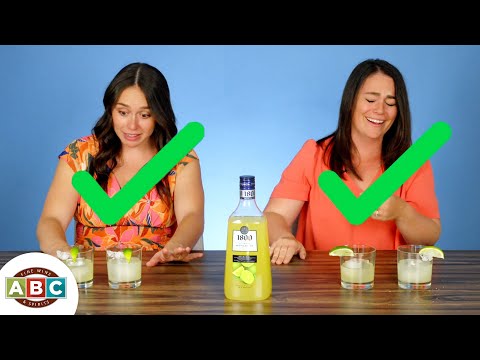
Choosing the right glass for your pre-made pour hinges on whether you’re releasing bubbles or showcasing silky texture. For carbonated cocktails like a bottled Tom Collins or a canned spritz, reach for a highball or Collins glass—its tall, narrow profile preserves the fizz by minimizing surface area, letting you enjoy the effervescence right to the final sip. Stirred cocktails, such as a bottled martini or a pre-batched Manhattan, demand a coupe or a rocks glass; the former’s wide bowl funnels the spirit’s aromatic esters directly to your nose, while the latter’s heavy base invites slow savoring over a single large ice cube. Never serve a stirred cocktail in a stemmed flute, as the narrow opening traps heat and mutes the delicate, integrated flavors you worked to chill. Your glassware should match the cocktail’s physical behavior, not just its aesthetic—carbonation needs vertical space, while stirred drinks need surface for aroma and temperature control. Match them correctly, and your shelf-stable bottle will taste as intentional as a fresh shake.
Ice, Garnish, and Citrus: The Only Fresh Additions You Need
For shelf-stable pre-made cocktails, the triumvirate of fresh elements is strictly functional: ice, garnish, and citrus. Ice does more than chill; it controls dilution, slowly opening the spirit’s aromatic profile without flattening the balanced sugar-acid ratio. A single large-format cube is preferable, as its low surface area melts slower than crushed ice. The garnish is a sensory anchor—a expressed orange peel or a single luxardo cherry signals craftsmanship while offering a contrasting olfactory note. Citrus, added at pour time, acts as the final acidity adjustor; a quick lemon twist or a lime wedge squeezed over the surface reawakens bottled flavors that flatten during storage. long island iced tea The nuance lies in restraint: a pre-made cocktail needs only a whisper of fresh juice, never a full ounce, to restore its intended brightness.

The only fresh additions you need are these three, and they must be applied sequentially—ice in the glass, then pour, then citrus and garnish last. Should you add citrus directly to the bottle before serving? No, that accelerates oxidation and dulls the entire batch; reserve all fresh elements for the individual serving.
Selecting a High-Quality Bottled Drink vs. a Mediocre Mixer

Choosing between a high-quality bottled cocktail and a mediocre mixer is the single most decisive factor in your drinking experience. A premium pre-made drink uses real citrus, proper spirits, and balanced bitters, delivering a crisp, layered sip that evolves as it warms. A mediocre mixer, however, relies on artificial syrups and harsh alcohol, producing a cloying, one-note sweetness that masks flaws rather than showcasing craft. Always read the label for juice content and sugar grams—if the first ingredient is water or high-fructose corn syrup, you are buying a soft drink with a splash of liquor.
The best bottled cocktail should taste like a bartender made it in front of you, not like a soda you spiked.
Pay the extra few dollars; the difference between a clean, botanical finish and a chemical aftertaste is night and day.
Key Flavor Clues to Spot Artificial Syrups in Canned Drinks
Artificial syrups betray themselves through a sharp, singular sweetness that hits the front of the tongue immediately and vanishes without the slow, lingering finish of real juice or cane sugar. A cloying, candy-like note—often resembling melted Jolly Ranchers—overpowers any botanical or spirit character, leaving a thin, metallic aftertaste. Real citrus or fruit in a canned cocktail offers a slight tartness or bitterness that cuts the sugar; artificial versions lack this depth, feeling flat and one-dimensional. Also, sniff for a strange, chemically floral aroma, like fake peach or vanilla, which indicates synthetic flavoring. This one-dimensional sweetness profile is the fastest way to distinguish a mediocre mixer from a quality canned drink.
Q: What single flavor clue most reliably reveals artificial syrup in a canned cocktail?
A: The absence of balancing acidity—real juice brings tartness, while artificial syrups leave a purely sugary, candy-like flatness on the palate.
Checking the Shelf Life and Storage Needs of Different Formulas
When picking a pre-made cocktail, checking the shelf life and storage needs saves you from a sad, flat pour. Look for a “best by” date on the cap or neck label—cans often last 6–9 months unopened, while bottled formulas with citrus or dairy might only hold for 3–4 months. Once opened, most should be refrigerated and drunk within 24–48 hours; tonic-based or sparkling versions lose fizz fast. Always store unopened bottles away from heat or direct sunlight, as light can degrade the flavor profile. A high-quality formula will print storage instructions clearly—if the label is vague, treat it as a red flag.
Matching a Pre-Mixed Drink to Your Meal or Occasion
Matching a pre-mixed cocktail to your meal is about letting the bottle do the heavy lifting, so think of flavor weight first. A bright, citrusy margarita or a gin-based spritz cuts through fried tacos or grilled fish beautifully, while a rich, smoky old fashioned pairs with a steak or a heavy burger without getting lost. For a casual backyard cookout, grab a rum punch or a paloma—they’re refreshing and won’t overshadow smoky ribs. When the occasion is a cozy dinner party, a pre-made espresso martini works as a dessert course on its own, or a Negroni complements a charcuterie board’s saltiness. Sometimes the smartest pairing is simply matching the drink’s base spirit to the protein’s marinade, like tequila with citrus-forward chicken. And for a brunch spread, a pre-mixed Bloody Mary is your best friend, as its savory, spicy profile pairs with eggs and bacon. Ultimately, let the occasion dictate the vibe—light and bubbly for daytime, dark and stirred for evenings.
Light and Citrusy Options for Afternoon Gatherings
For afternoon gatherings, choose pre-mixed cocktails with bright, low-alcohol profiles that won’t overwhelm daylight palates. A classic gin and tonic in a canned format works because its quinine bitterness cuts through salty snacks, while a bottled margarita with fresh lime juice balances rich finger foods like croquettes. Prioritize bottles labeled “cold-pressed citrus” or “vermouth-forward” to avoid syrupy sweetness. When serving, follow this sequence:
- Chill glasses and cocktails to 38–42°F to sharpen citrus notes.
- Pour over one large ice cube to slow dilution, preserving zest.
- Garnish with a expressed orange twist to release aromatic oils just before serving.
Avoid creamy or spiced blends; they clash with midday freshness and linger too heavily on the palate.
Bold, Spirit-Forward Choices for Evening Dinners
For evening dinners, bold, spirit-forward pre-made cocktails demand pairings that match their assertive structure—think smoked meats, aged cheeses, or mushroom-forward dishes. A bottled Manhattan, with its vermouth warmth, cuts through fatty ribeye, while a Negroni’s bitter backbone balances braised short ribs. Choose a pre-mixed Old Fashioned when serving charred vegetables or dark chocolate desserts; its sugar and bitters echo caramelized notes. A martini-based pre-mix works best with oysters or caviar, where the saline finish cleanses the palate without overpowering delicate proteins. Avoid pairing these cocktails with light salads or mild fish, as the alcohol intensity will dominate rather than complement.
Common Mistakes People Make When Opening a Ready-Made Beverage
The biggest mistake is cracking a canned or bottled cocktail and drinking it straight from the container, which kills the aromatics and makes the drink taste flat. Another common blunder is skipping the vigorous shake or stir after opening, since ingredients like fruit juice and vermouth settle and separate, leaving you with a syrupy first sip and a watery last one. Don’t assume the garnish is optional—a fresh citrus twist or expressed peel genuinely lifts the flavor profile, so skipping it is like wearing shoes without socks. Finally, pouring the entire contents over a single, sad ice cube dilutes everything unevenly; instead, use large, dense cubes and pour slowly to preserve the intended texture. Always taste before adjusting, because most ready-made cocktails are already balanced, and never leave the bottle open for more than a minute—carbonation and volatile aromas vanish fast.
Why You Shouldn’t Shake a Carbonated Can Even If It Says To
Even if that ready-made cocktail can jokes “shake well,” don’t fall for it. Carbonated pre-mixed drinks trap CO₂ under pressure, and shaking violently agitates that gas, turning a smooth sip into a geyser of sticky foam the second you pop the tab. You’ll lose half the can, waste your money, and wear the rest. Instead, **gently roll the can sideways** a few times to mix settled ingredients without disturbing the bubbles. Then open slowly, letting pressure escape in controlled hisses. A calm pour gives you the intended flavor and fizz, not a countertop disaster. Trust the physics, not the gimmick.
The Correct Way to Chill a Bottle Without Diluting Its Flavor
The correct way to chill a bottle without diluting its flavor is to avoid ice contact entirely, as melted water masks the carefully balanced botanicals and sweeteners. Instead, submerge the sealed bottle in an ice-water bath for twenty minutes, or place it in the refrigerator for at least two hours before serving. For rapid results, rotate the bottle in the brine every five minutes to ensure even cooling. Never shake a carbonated cocktail while cold, as agitation releases dissolved CO₂ and alters the mouthfeel. Finally, pour only the amount you will drink immediately, keeping the remaining liquid refrigerated so every glass stays at optimal cocktail temperature without dilution.